
The Mile Your Sunglasses Ruined
It usually happens a few miles in, right when you have settled into pace. Your sunglasses start sliding down your sweat-slick nose, so you push them up, and they slide again. Or they fog on a humid climb, or bounce with every stride until you give up and shove them on top of your hat, squinting into the glare for the rest of the run.
Serious runners do not want eyewear they have to manage. They want a pair that disappears once the run starts and stays gone until it ends. That comes down to fit and engineering, not fashion, and it is the problem Tifosi running sunglasses are built to solve.
The Tech That Keeps a Frame in Place
Most claims about “comfortable” sport sunglasses are vague, so here is what actually keeps a Tifosi frame steady when the miles add up. The grip comes from hydrophilic rubber at the nose and temples, a material that grips harder as you sweat, not less. Instead of loosening on a hot run, the fit gets more secure the longer you go.
For our performance-focused frames, the frame itself is made from Grilamid TR-90, a lightweight, flexible nylon that can flex with you, resist cracking under impact, and return to shape after stress rather than snapping like rigid plastic. Our lifestyle and Swank Series frames are made with Thrive, a plant-based frame material derived from castor bean oil that delivers a lightweight, durable feel with a more everyday aesthetic. The lenses are polycarbonate, an impact-resistant material used in safety eyewear, so a stray branch or a dropped pair on pavement is far less likely to end the lens. None of that is fancy. It is just specific, named engineering instead of a soft comfort claim.
Matching the Lens to Where You Run
Lens choice should come down to your light, and Tifosi names a lens for each case. For trail and variable light, Tifosi Fototec adjusts its tint automatically as you move from open sun into tree cover and back. For bright, open road miles, Polarized cuts the glare coming off pavement so you are not squinting through a tempo effort. For intense, high-glare conditions like midday sun and coastal or open-water routes, Clarion Mirror adds a reflective finish that tames the brightest light while keeping the view crisp.
Not sure which fits your routes? Read the full Tifosi lens guide before choosing your setup.
Road, Trail, and Race Day
Road runners deal with open sun, pavement glare, wind, and long stretches of repeated movement, so lightweight comfort, a secure fit, and Polarized are the starting point. Trail runners face faster light changes, dust, and uneven footing, where Fototec and a frame that stays put on technical ground matter most. Race day is about familiarity. Wear the pair you have already tested, not one more new thing to think about at the start line.
Why Serious Runners Choose Tifosi Over a Premium Name
This is where people get Tifosi wrong. Choosing it is not settling for less. It is refusing to overpay for the same performance. Many premium-name sport sunglasses can run $200 to $300 or more, while most Tifosi running frames come in well under $100. For runners who care about fit, lens function, and durability more than a logo, that value difference matters.
You are not trading away lens tech or fit for the lower price. You are skipping the brand tax. For a runner who treats gear as a tool rather than a status piece, that is the point.
The Runners Who Already Made the Call
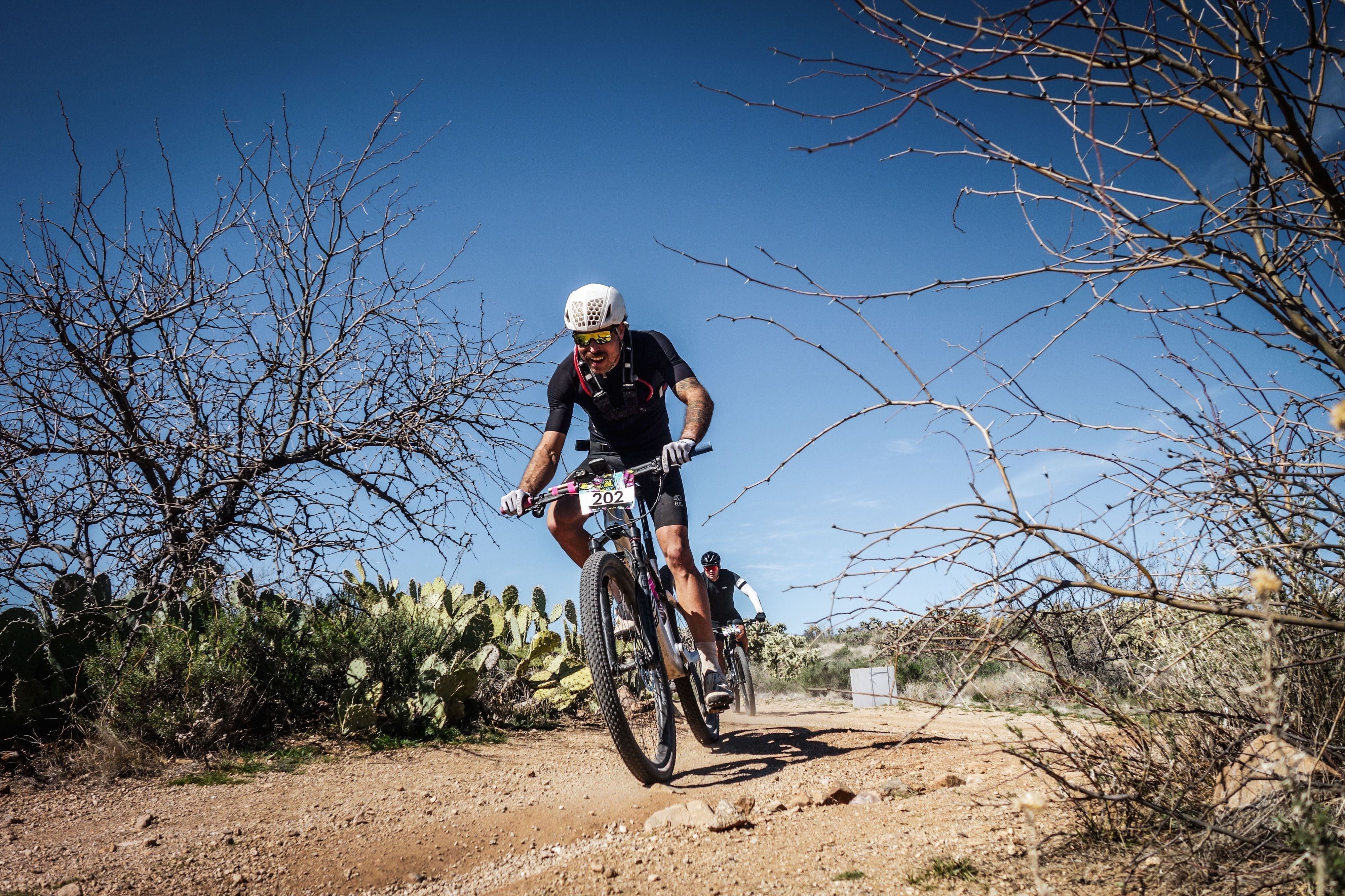
The clearest proof is who chooses Tifosi when they could pick anything. Kaleb Stephens is a 250-mile ultra runner who trains around a full-time engineering job. That is someone who understands gear, training time, and what happens when equipment fails deep into a long effort, and he runs in Tifosi. Tifosi ambassador Tyson Apostol is another endurance athlete who puts the frames through the same conditions this article describes.
When athletes at that level pick a frame on performance rather than price, the "budget brand" label stops making sense.
Tifosi Running Sunglasses to Consider
- Swank: A lightweight lifestyle-sport frame that runs easy for daily training, warmups, and everyday wear. Swank S offers a smaller-face fit.
- Vogel XC: A compact shield built for runners who want coverage and airflow without an oversized feel.
- Rivet: A sport-forward frame with more coverage and lens versatility for harder training days.
- Navar: A performance running frame for runners who want a secure, streamlined fit through long efforts.
Running Sunglasses FAQ
How much should I spend on running sunglasses?
Enough to get real polycarbonate lenses, a secure grip, and a lens matched to your light, which does not have to mean $200 or more. Most Tifosi running frames come in well under $100 with sport-focused lens options, secure grip, and lightweight frames, so the question is less about price and more about matching the frame and lens to how you run.
Do I need polarized sunglasses for running?
Not always. Polarized is excellent for road miles because it cuts pavement glare, but if your runs move between sun and shade, Fototec is often the better call because it adjusts as the light changes. Match the lens to your most common conditions rather than defaulting to polarized.
What is the best starter pair if I also ride?
Look for a versatile frame that carries between sports. Rivet works well for runners who also cycle thanks to its coverage and lens options, and a Fototec lens handles the mixed light both sports throw at you. If you are building a quiver, explore the Tifosi cycling collection for frames that cross over from the run to the bike.
Shop Running Sunglasses Built for the Miles Ahead
Serious runners do not need sunglasses that make the run more complicated. They need eyewear that fits, stays put, handles the light, and gets out of the way. Start with the way you run, then pick the frame and lens that match your miles.
Explore Tifosi best-sellers to see the frames runners reach for most, or browse the cycling collection if you also ride.