Skip to content


Why Lens Choice Matters
Picking a frame is usually the easy part. The lens is where people get stuck.
Do you want polarized lenses, or will they make it harder to read a green? Is Fototec better for cycling than running? What does Enliven Golf actually do, and where does Clarion Mirror fit in?
Fair questions. The right lens depends on where you spend your time. A golfer reading a green needs something different from a cyclist riding in and out of tree cover. A runner on open roads has different needs than someone fishing, driving, or spending the day near water.
No single lens wins at everything. But once you know what each lens is built for, the choice gets a lot simpler.
Fototec: For Light That Keeps Changing
Fototec is Tifosi’s photochromic lens technology. It adjusts as the light changes, transmitting less light in bright conditions and more light as conditions get darker.
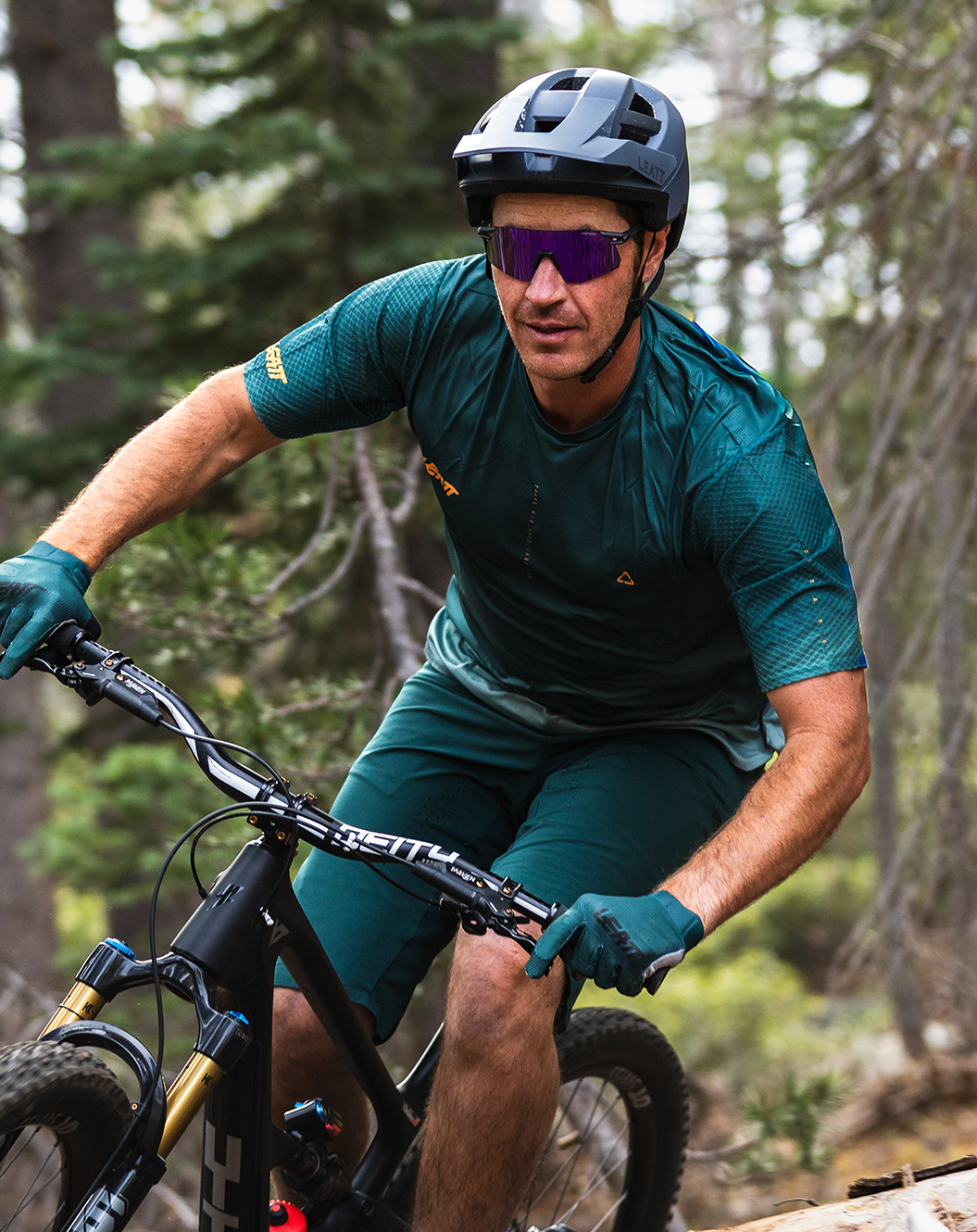
That makes Fototec a good match for sports where the light doesn’t sit still. Think cycling through tree cover, trail running in and out of shade, or starting a ride early and finishing when the sun is higher. You don’t have to stop and swap lenses. The lens works with the conditions as they change.
Fototec comes in options like Smoke, Light Night, Brown, Clarion Red, and Clarion Blue. Some athletes want a classic tint. Others want more contrast or a mirrored finish. The best choice comes down to the light you deal with most often.
For example, Moab XC is available in Fototec options, including Clarion Fototec models, which makes it a strong place to start for cyclists and mountain bikers who want one lens for changing light.
Best for: cycling, mountain biking, trail running, hiking, and mixed-light days.
Not the first pick for: steady, predictable light where you already know the exact tint you want.

Enliven Golf: For Reading the Course
Enliven Golf isn’t a light-changing lens. It’s a color-enhancing lens made specifically for golf.
On the course, small details matter. You’re reading the slope of a green, following the contours of the fairway, and trying to track the ball against the sky. Enliven Golf is designed to help make those details stand out with sharper color and better contrast.
Instead of simply making everything darker, Enliven Golf helps the course look more readable. If your issue is detail, not just brightness, this is the lens to look at.
Rivet and Sylo are both available with Enliven Golf options, so golfers can choose between a more sport-focused frame and a lifestyle frame that still brings the golf lens benefit.
Best for: golf, especially green reading, course contours, and ball tracking.
Not the first pick for: fast-changing light where you want the lens to adjust on its own.
Clarion Mirror: A Mirror Finish That Also Works
Clarion Mirror is easy to think of as just the “mirror lens,” but there’s more going on.
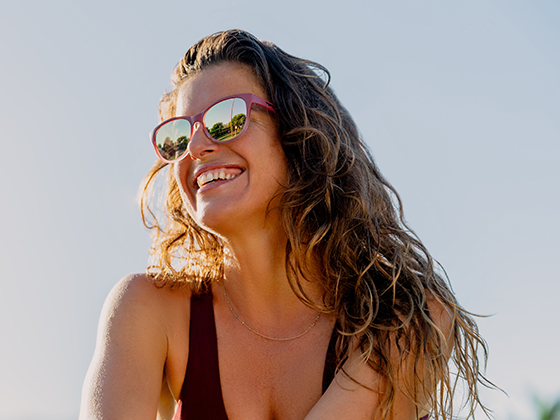
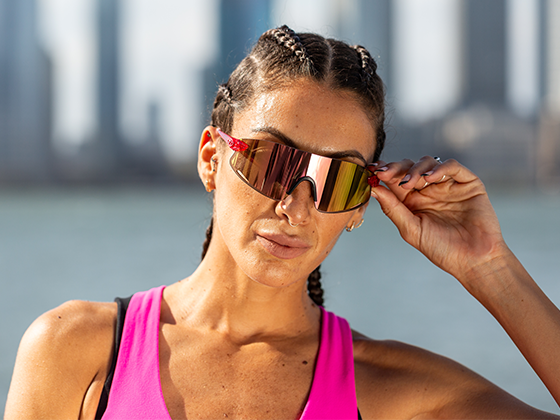
Tifosi’s Clarion Mirror lenses use a hydrophobic coating that repels water and sweat. That helps keep moisture from gathering on the lens, which matters when you’re riding hard, running in humidity, fishing near water, or dealing with a hot day outside.
The other thing to know is that Clarion isn’t always one single lens experience. You may see it paired with other Tifosi technologies. Clarion Red Fototec gives you a mirrored finish with light-adjusting Fototec. Clarion Blue Polarized gives you a mirrored finish with glare-cutting polarization.
So don’t shop by the word Clarion alone. Read the full lens name so you know what technology comes with it.
Best for: athletes and everyday users who want a mirrored finish with a real performance coating behind it.
Not the first pick for: someone who wants the simplest possible lens choice without checking the lens details.
Polarized: For Glare
Polarized Lenses are built for glare control. They filter harsh reflected light that bounces off flat surfaces like water, snow, and pavement.
That makes them a strong choice for fishing, skiing, boating, driving, beach days, and bright conditions near water. If glare is what bothers your eyes most, polarized is usually the first place to start.
For golf, cycling, and running, polarized is more of a personal call. Tifosi notes that polarized lenses aren’t the best fit for those sports because depth perception and screen readability can matter more. You can still wear them, but they’re not always the most useful option for every athlete or every route.
Sylo and Sanctum SL both offer polarized options, which makes sense for shoppers who want everyday glare control in frames that can still keep up with active use.
Best for: fishing, skiing, driving, boating, water, snow, and high-glare conditions.
Not the first pick for: golf green reading, cycling computers, or situations where changing light matters more than glare.
Interchange: For People Who Want Options
Interchange is the hands-on setup. Instead of one lens trying to cover everything, you get three.
Tifosi Interchange models come with one lens installed and two more in the case. Smoke works for bright conditions, AC Red helps add contrast when the light is cloudy or variable, and Clear is there for low-light protection.
This setup is great if you like choosing your lens before you head out. Cyclists and mountain bikers can use a frame like Moab XC when they want one setup for bright sun, cloudy rides, and low light. Baseball and softball players can also benefit from Interchange, especially when games move from afternoon sun into evening shade.
It takes a little more planning than Fototec, but you stay in control. Moab XC is a strong Interchange pick for cyclists and MTB riders, while Rivet gives athletes another versatile sport option with Interchange, Fototec, and Enliven Golf choices.
Best for: cycling, mountain biking, baseball, softball, and athletes who train or play in different conditions.
Not the first pick for: anyone who doesn’t want to swap lenses or keep track of extras.
Quick Lens Cheat Sheet
|
Lens |
Best For |
Why Choose It |
|
Fototec |
Cycling, trail running, MTB, hiking |
Adjusts as the light changes |
|
Enliven Golf |
Golf |
Helps with green reading, contours, and ball tracking |
|
Clarion Mirror |
Sport and everyday outdoor use |
Mirror finish with a water and sweat-repelling coating |
|
Polarized |
Fishing, skiing, driving, water, snow |
Cuts glare off reflective surfaces |
|
Interchange |
Cycling, MTB, baseball, softball |
Gives you three lenses for different conditions |
Which One Should You Get?
Choose Fototec if your light changes while you ride, run, or hike.
Choose Enliven Golf if you golf and want a clearer read on the course.
Choose Polarized if glare is your main problem.
Choose Interchange if you like swapping lenses based on the day.
Choose Clarion Mirror if you want a mirrored finish, then check the full lens name to see what technology is built in.
The best lens isn’t the one with the longest description. It’s the one that matches what you actually do outside.
Common Lens Questions
What is the difference between Fototec and polarized?
Fototec adjusts to changing light. Polarized cuts glare. If you move between sun and shade, Fototec usually makes more sense. If you’re around water, snow, or road glare, polarized is a better place to start.
Is Enliven Golf the same as polarized?
No. Enliven Golf enhances color and contrast for golf visibility. Polarized lenses reduce glare. For golf, Enliven Golf is the more sport-specific choice.
Is Clarion Mirror the same as Fototec?
Not always. Clarion Mirror refers to Tifosi’s mirrored lens options with a water and sweat-repelling coating. Fototec is the light-adjusting lens technology. Some lenses combine both, like Clarion Red Fototec.
Are Interchange lenses better than Fototec?
They solve the changing-light problem in different ways. Fototec adjusts on its own. Interchange lets you choose the lens yourself before the activity.
Find Your Lens
Start with where and how you actually use your sunglasses. Fototec for changing light, Enliven Golf for the course, Polarized for glare, Clarion Mirror for a mirrored finish, or Interchange for full control.
Match the lens to your sport and your conditions, and the rest gets easier.